Department of Health launches new mobile clinic initiative for rural communities near Pretoria
PRETORIA, GAUTENG – In a significant stride towards equitable healthcare access, the Gauteng Department of Health has officially launched a pioneering mobile clinic initiative, deploying state-of-the-art vehicles to historically underserved rural communities surrounding Pretoria. This innovative programme directly confronts the formidable geographical barriers and underdeveloped infrastructure that have long disenfranchised residents in areas such as Winterveld, Hammanskraal, and parts of the Bronkhorstspruit region, denying them fundamental medical care. Unveiled at a ceremony near the iconic Church Square, this concerted effort aims to bring critical health services within a 50-kilometre radius of the capital, ensuring that basic health screenings, vital vaccinations, and chronic disease management are no longer out of reach for thousands of Gauteng citizens, thereby addressing the persistent disparities in healthcare provision across the province.
Mobile Clinics Revolutionise Healthcare Access in Rural Pretoria
The initial phase of this transformative rollout is strategically targeting villages within a 50-kilometre radius of Pretoria, encompassing communities like Winterveld, Hammanskraal, and portions of the Bronkhorstspruit region. These areas have been meticulously identified due to their pronounced need for accessible healthcare infrastructure and their considerable distance from established medical facilities. Each mobile unit is meticulously designed to function as a comprehensive, self-contained satellite clinic, offering a wide array of services crucial for preventative care and the proactive management of existing health conditions. These Pretoria mobile clinics are set to redefine how primary healthcare is delivered in these communities.
Each mobile clinic unit will be staffed by a multidisciplinary team, including a qualified doctor, a dedicated nurse, and a community health worker, ensuring a holistic approach to patient care. This robust staffing model guarantees that patients receive not only immediate medical attention but also benefit from ongoing health education and crucial follow-up care within the familiarity of their own communities. Services provided will span essential basic health screenings, vital vaccinations for both children and adults, comprehensive chronic disease management for prevalent conditions like diabetes and hypertension, and critical maternal and child health services, addressing needs from birth through to adulthood. The initiative aims to bridge the gap in services often found at smaller, more remote clinics which may lack the full complement of staff or equipment.
Community-Centred Approach and Service Offerings
The Department of Health has committed to a community-centred approach, collaborating closely with local leaders to ensure the mobile clinics operate at times and locations most convenient for residents. This includes setting up at community halls, local schools, and central gathering points, ensuring maximum accessibility. The services offered are tailored to the specific health profiles of these rural populations, which often face higher incidences of non-communicable diseases due to lifestyle factors and limited access to early detection and management. Furthermore, the clinics will provide basic pharmaceutical dispensing, reducing the need for patients to travel to distant pharmacies for essential medications, a significant financial and logistical burden for many.
MEC Dlamini Underscores Commitment to Health Equity
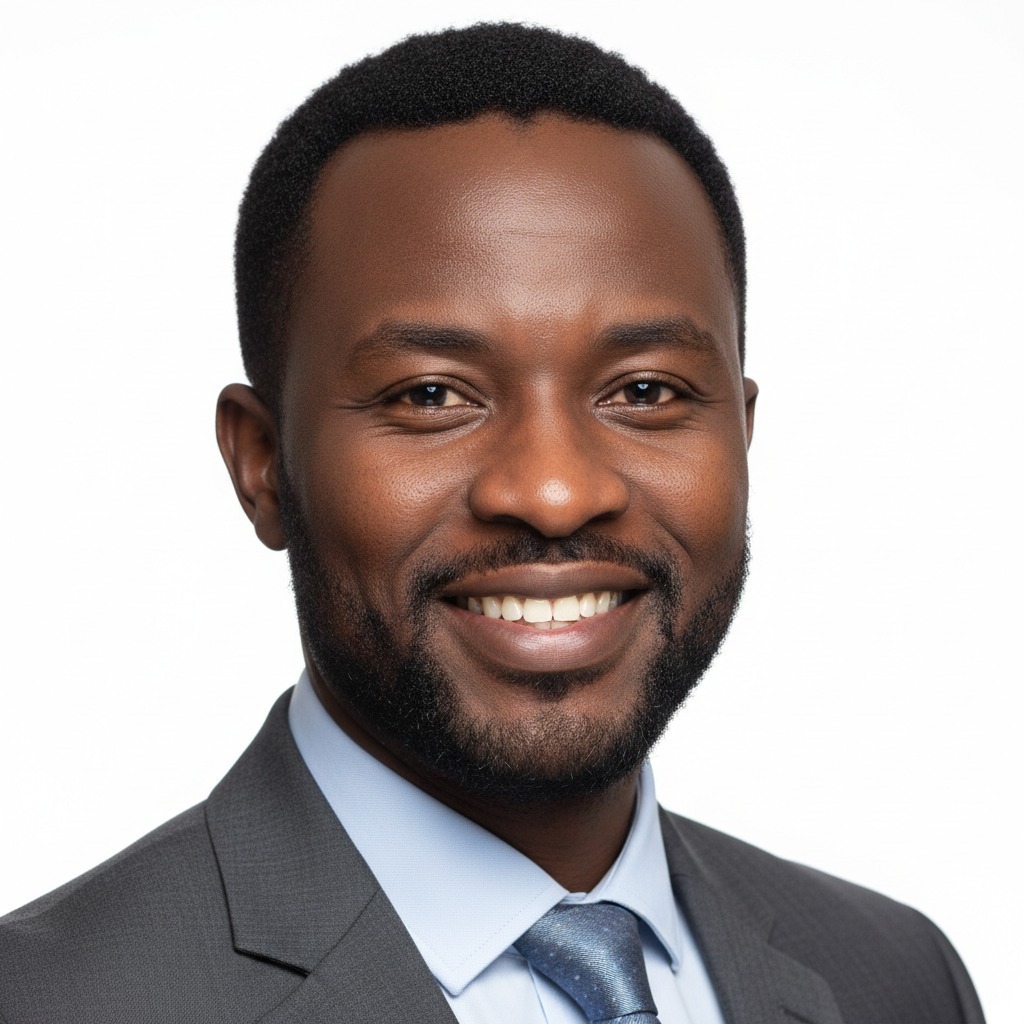
Dr. Sipho Dlamini, the esteemed Gauteng MEC for Health, delivered a passionate address at the official launch event, held on the expansive grounds of the Tshwane District Hospital. He reiterated the department's unwavering commitment to achieving equitable healthcare access across the length and breadth of the province. "Many of our rural citizens face significant barriers to healthcare, ranging from prohibitive long travel distances and the substantial cost of transport to the pervasive issue of loadshedding impacting facility operations, effectively isolating them from vital medical attention," Dr. Dlamini stated with conviction. "This mobile clinic initiative is specifically engineered to dismantle these barriers, bringing essential healthcare directly to their doorsteps and unequivocally ensuring that no one is left behind in our collective pursuit of universal health coverage."
Dr. Dlamini further elaborated on the anticipated profound impact of the programme, expressing unwavering confidence that it would significantly improve health outcomes in these historically underserved areas. "By providing accessible, high-quality primary healthcare services at the community level, we expect to see a marked reduction in the burden on our larger, often overburdened, regional hospitals," he added. This proactive, decentralised approach aims to alleviate immense pressure on tertiary facilities such as the iconic Steve Biko Academic Hospital, allowing them to concentrate resources on more complex and specialised cases, while foundational, preventative care is competently delivered locally. The estimated annual operational budget for this initial phase is approximately R45 million, a substantial investment reflecting the government's commitment to this critical intervention.
Local Voices Express Hope Amidst Past Challenges
Local residents and community leaders have largely expressed a sentiment of cautious optimism regarding the initiative, tempered by past experiences of inconsistent service delivery. Ms. Thandiwe Mokoena, a respected community leader from the Winterveld area, situated just off the R566, shared her long-standing concerns candidly: "For years, we have struggled immensely to get our elderly and our children to the nearest clinic, which is often many kilometres away, requiring costly and time-consuming travel, sometimes up to R80 for a return taxi fare." She continued, her voice resonating with hope, "If these mobile clinics arrive regularly and are consistently well-stocked with necessary medicines and equipment, particularly for chronic conditions like diabetes and high blood pressure, it will undoubtedly make a monumental difference to the daily lives and overall well-being of our community members." The Department of Health has committed to communicating a regular schedule for the mobile clinics to the affected communities, along with providing clear contact details for further inquiries and feedback, fostering transparency and building much-needed trust.
The Department has outlined a robust monitoring and evaluation framework to meticulously track the success of this pioneering mobile clinic programme. Key performance indicators will include patient numbers, the specific types of services rendered, patient satisfaction levels, and measurable improvements in local health indicators such as vaccination rates and chronic disease management adherence. The initial outcomes from this phase will be crucial in determining the programme's future trajectory and its potential for broader expansion across the province. This initiative underscores a profound commitment to uplifting communities and ensuring that fundamental human rights, particularly the right to health, are afforded to every citizen, irrespective of their geographical location. It promises a healthier future for countless individuals who have long been on the margins of the healthcare system.
Related Regional Coverage
For more Pretoria, Gauteng news, visit pretoriatimes.co.za and the PR Daddy national grid.
For more local updates, visit our latest Pretoria news section.
Stay informed with local Pretoria coverage from our editorial team.