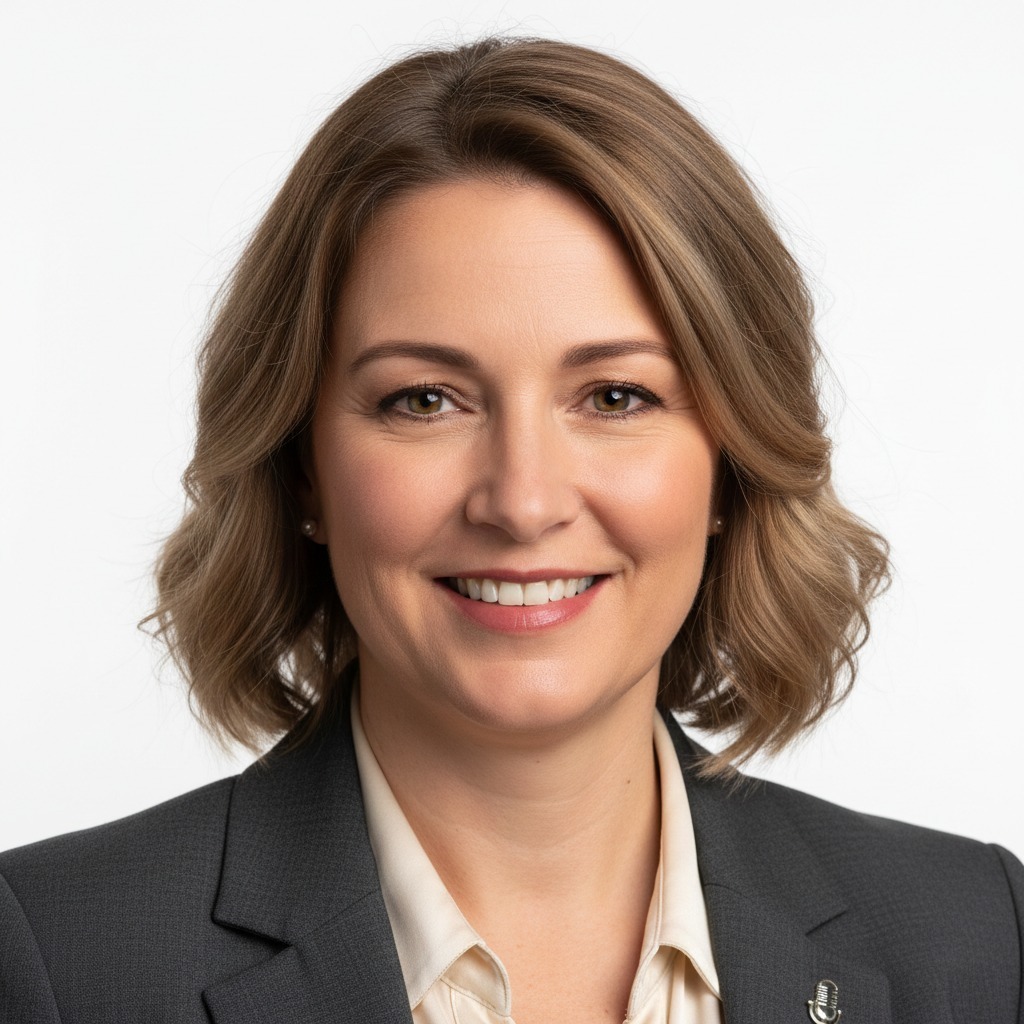

Tshwane Council Debates New By-Laws on Informal Trading
Tshwane's Metropolitan Council held a heated debate this week regarding a set of proposed new by-laws aimed at regulating informal trading within the city. The draft regulations seek to address critical issues such as designated trading zones, stringent licensing requirements, comprehensive waste management protocols, and the often-contentious impact of informal traders on formal businesses. The session saw councillors from various political parties present their impassioned arguments, reflecting the diverse and often conflicting opinions prevalent within the Pretoria community regarding the informal sector.
The Rationale Behind the Proposed Regulations
Proponents of the new by-laws argue vehemently that stricter regulations are not merely desirable but absolutely necessary to maintain public order, uphold essential hygiene standards, and ensure fair competition within the city's economic landscape. Councillor Thabo Mokoena, speaking on behalf of the ruling party, articulated this sentiment, stating, "Our city deserves order. While we recognise the vital role informal traders play, we cannot ignore the challenges that arise from unregulated activity. These by-laws are designed to create a framework that benefits everyone – traders, residents, and formal businesses alike. We envision a Pretoria where informal trading is integrated, organised, and contributes positively to our urban fabric, rather than detracting from it." He further suggested that clearer guidelines and a more structured approach will ultimately benefit both traders and residents by fostering a more organised, safer, and aesthetically pleasing urban environment. The current system, they contend, often leads to overcrowding, sanitation issues, and unfair competition for brick-and-mortar establishments that bear higher operational costs and taxes. The proposed by-laws aim to delineate specific trading hours, introduce clearer definitions of permissible goods, and establish a more robust enforcement mechanism to address infractions.
Concerns from the Informal Trading Sector
However, the proposed changes have not been met with universal approval. Informal traders' associations have voiced significant concerns, fearing that some proposed clauses could severely stifle their livelihoods and potentially lead to increased harassment from law enforcement. Ms. Nomusa Dlamini, spokesperson for the Pretoria Informal Traders' Alliance, expressed her apprehension during a brief interview outside the council chambers. "These by-laws, while perhaps well-intentioned, feel like a direct attack on our ability to put food on our tables," she lamented. "Many of us are single mothers, breadwinners. The proposed fees, the limited trading zones, and the stricter enforcement could push us out of business entirely. We are not against regulation, but it must be fair and take into account the realities of our daily struggles." She highlighted that many traders operate on razor-thin margins and any additional costs or restrictions could prove devastating. The alliance also raised concerns about the potential for corruption if enforcement powers are not clearly defined and monitored, echoing historical grievances of harassment and confiscation of goods without due process. This pushback underscores the delicate balance the Tshwane Council debates Pretoria must strike between formalising the informal economy and preserving the accessibility and flexibility that defines it for many.
The Path Forward: Public Participation and Impact
The debate within the Tshwane Council debates Pretoria is far from over. Public hearings are expected to be held in the coming weeks, providing a crucial platform for all stakeholders to voice their perspectives. These stakeholders include not only informal traders and formal businesses but also residents who are directly impacted by the presence and activities of informal vendors. The city council has indicated its commitment to a participatory process, acknowledging that a balanced outcome requires broad input. "We are committed to listening," stated Councillor Mokoena. "The purpose of these hearings is to refine the by-laws, to ensure they are practical, equitable, and serve the best interests of all Tshwane residents." The outcome of these extensive deliberations will significantly impact the informal economy in Pretoria, shaping the future of countless small businesses and the urban landscape itself. It will determine how thousands of entrepreneurs operate, how city spaces are utilised, and how the municipality manages its diverse economic activities. Stay informed on these vital local political developments through PR Daddy, as the city navigates this complex issue with profound implications for its citizens.
For more local updates, visit our latest Pretoria news section.
Stay informed with local Pretoria coverage from our editorial team.